Male Rhinoplasty Surgery
Nasal Shape and Function
Rhinoplasty (Nose Surgery) in Perth
Tailored care for nasal structure, appearance, and breathing function
What is Rhinoplasty?
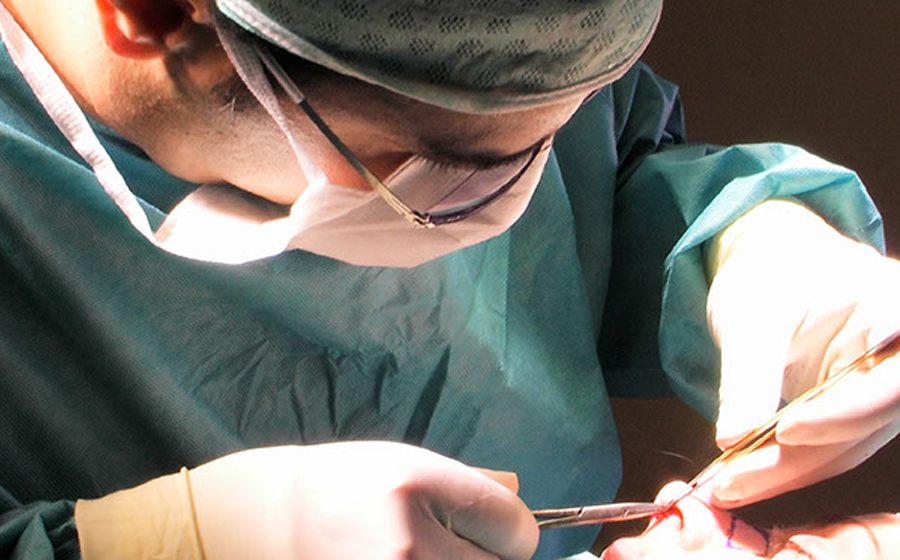
Rhinoplasty is a surgical procedure that can address concerns related to the shape, size, or function of the nose. It may be considered for cosmetic or functional reasons, such as improving nasal airflow or correcting structural irregularities due to injury or congenital differences.
Rhinoplasty is often combined with procedures such as septoplasty (straightening the nasal septum) or endoscopic sinus surgery, depending on your clinical needs.
About Dr Imani
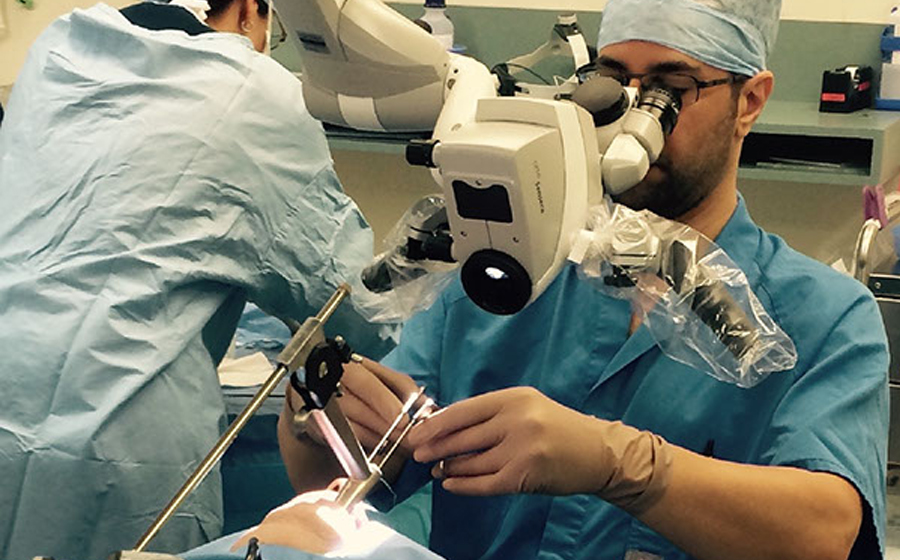
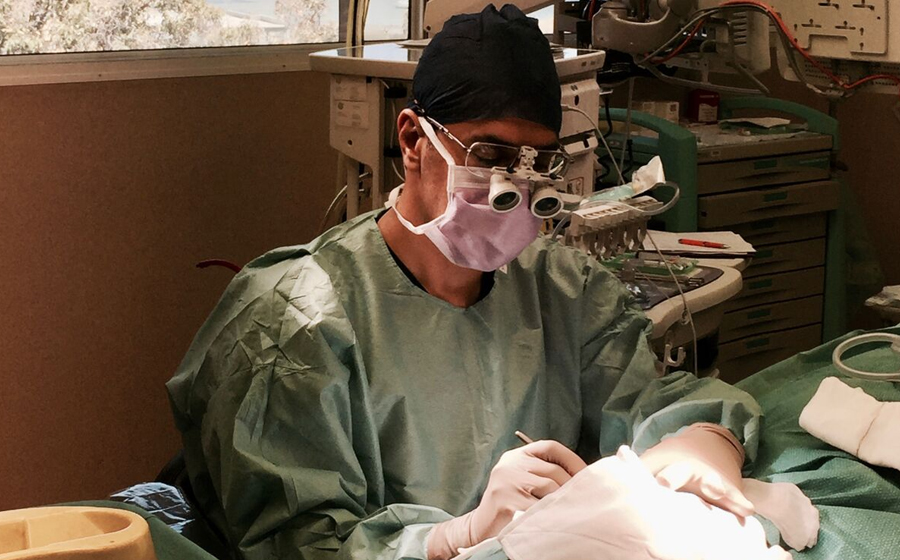
Dr Imani is a specialist surgeon with qualifications in both Ear, Nose and Throat Surgery (Otorhinolaryngology) and Facial Plastic Surgery. He has a focused interest in rhinoplasty, including revision cases, and uses a tailored surgical approach based on each patient’s individual anatomy and goals.
Your Consultation
At your initial consultation, Dr Imani will:
-
Assess your nasal structure and function
-
Discuss your concerns and expectations
-
Take clinical photographs for planning purposes
-
Explain what may be realistically achievable based on your anatomy
You’ll also be provided with detailed information about the procedure, recovery, and costs. A second consultation is often arranged prior to surgery to confirm your plan and address any further questions.
Personalised Surgical Planning
Every nose is unique. Dr Imani does not apply a single aesthetic, but instead considers your facial features, skin type, and preferences. The surgical plan is developed to suit your individual characteristics and desired outcomes.
Breathing and Function
For patients with nasal obstruction or breathing difficulties, specialised assessments may be performed. In many cases, rhinoplasty aims to improve or maintain nasal function while addressing aesthetic concerns.
Recovery and Outcomes
Swelling, bruising, and congestion are expected after surgery and usually improve in the weeks following the procedure. While some changes are noticeable once initial healing occurs, final results may take up to 12 months as swelling gradually settles.
Risks and Considerations
All surgical procedures involve risks. These will be explained to you in your consultation and outlined in written information provided by our team. Potential risks include:
-
Bleeding or infection
-
Scarring
-
Changes in skin sensation
-
Breathing difficulties
-
Need for revision surgery
You are encouraged to seek a second opinion from another qualified surgeon before making a decision.
Specific risks are discussed below
1. General anaesthesia and its inherent risks, including death, allergic reactions, airway compromise, dental injury, DVT/PE, AMI, CVA.
2. Bleeding :1% risk of serious bleeding requiring packing or surgery, 100% risk of slight to small bleed in the immediate and medium post-operative period
3. Bruising/Ecchymosis – 10-20% of the patients bruise under/around the eyes
4. Infection - Acute and Chronic/Recurrent – less than 1%
5. Swelling in the short, medium and long term/Steroid injection and risk of dermal atrophy
6. Recurrent long term swelling
7. Contour irregularities – 100% to palpation
8. Septal Perforation - rare
9. Anosmia/Hyposmia/Dysosmia: sense of smell can be interrupted, transient usually return to normal
10. Over correction and under correction - rare
11. Recurrence of the problems which were present initially – 100% risk of some recurrence
12. Nasal tip numbness 6-12 months and oedema up to 5 years
13. Nasal asymmetry both in airway and contour – 100%
14. Nasal obstruction/Vasomotor rhinitis/Rhinorrhoea/Gustatory Rhinorrhoea – Transient 6/12
15. Smile and lip position variation/change – 100% with a pre existing droopy tip
16. Columella scar – hypertrophic and or keloid, Columella loss – very rare
17. Skin damage and scarring/Pigment changes – very rare
18. Revision surgery/Reconstructive Surgery less than 1 %
19. Eye injury/Orbital injury/tear duct injury/Blindness/Corneal injury – very rare
20. Patient dissatisfaction/Suboptimal result – short term 5%, long term less than 1%
21. Rib graft: scar-related problems (2.9%), pleural tear (0.6%), infection (0.6%), seroma (0.6%), severe donor site pain (0.2%), and pneumothorax (0.1%). Warping (5.2%), infection (2.5%), graft resorption (0.9%), displacement/extrusion (0.6%), and graft fracture (0.2%)
22. Ear pain and paraesthesia/deformity, scarring, numbness, if conchal graft is used
23. Intracranial injury/infection/CSF leak/Carotid-cavernous fistula – very rare
24. Acute or chronic sinusitis/Silent sinus syndrome - rare
25. Contact dermatitis - rare
26. Nasopalatine nerve injury- Incisor numbness: transient, can last up to 3 months
27. Reassurance demand – very common
28. Psychological disturbance-short and long term/Adjustment disorder – moderately rare
29. Intranasal scarring/Intranasal packing/Splints - rare
30. External nasal deformities – Polly beak, inverted V - rare
31. Nasal valve collapse - rare
32. Nasal stenosis – very rare
33. Recurrent meningitis – extremely rare
34. Olegranuloma – extremely rare
35. Dorsal cyst – extremely rare
36. Change in voice – transient, rare
37. Empty nose syndrome – extremely rare
38. If used, a silicone implant could move position, become infected and need surgical removal if simple antibiotics don't resolve the infection. It may also cause skin injury. These risks are rare.
Costs of Male Rhinoplasty in Perth
Understanding the Costs of Your Surgery
The total cost of your surgery depends on several factors and includes fees from different providers who are involved in your care. Here’s what you need to know:
1. Surgical Fee
• This is the fee for Specialist surgeon’s services and is based on the complexity of your surgery and the surgeon’s expertise and experience.
• You will receive a detailed surgical fee estimate after your consultation outlining the possible inclusion of any Medicare and Private health insurance rebates .
The surgical cost of Male Rhinoplasty ranges from $5000-$35000.00 depending on the complexity of case and the surgical expertise involved.
2. Hospital Fees
• These include costs for your hospital admission and operating room use, charged on an hourly basis.
• Quotes are provided directly by the accredited hospitals where your surgeon operates at.
• If your procedure meets certain clinical criteria, private health insurance may cover some or all of these fees, especially if the surgery qualifies under the Medicare Benefits Schedule (MBS).
• Our staff will guide you through obtaining this quote.
3. Anaesthetist Fees
• If general anaesthesia is required, a specialist anaesthetist (FRANZCA-accredited) will be involved.
• They charge separately and will provide their own hourly rate quote.
• Again, we’ll assist you in connecting with them to obtain the necessary details.
• You do not have to source an anaesthetist; we have set specialist anaesthetist who work with your surgeon on designated dates.
4. Other Incidental Costs
• These may include:
o Medications
o Post-surgery garments
o Travel or hotel stays (especially if you're coming from outside the Perth metropolitan area)
Important Notes
• We are only able to provide the quote for the surgical fee. Hospital and anaesthetist fees are separate and managed independently.
• Our team is here to support and guide you through obtaining all the necessary quotes.
• Medicare and private health insurance rebates may apply if your surgery is deemed medically necessary and includes an eligible MBS item number.
If you have any questions or need help at any stage, please don’t hesitate to reach out—our friendly staff are here to assist you.
Planning Your Visit
If you are travelling from outside Perth, please let our team know so we can provide relevant information in advance and help you prepare for your consultation and surgery.
Important Information and Disclaimers:
• Any surgical or non-surgical procedure carries risks.
• Individual outcomes, results, experience and recovery times vary based on individual’s genetics, environmental factors, diet, exercise, sun protection, smoking and general health. Individual’s outcomes are only relevant for that individual and they do not necessarily reflect or guarantee the same outcome for another individual given the same treatment.
• The information provided is general and educational in nature.
• It does not constitute medical advice nor replace consultation with a qualified health professional.
• We encourage all patients to seek a second opinion and consult their general practitioner for a referral before engaging in a surgical and non-surgical consultation with us.
Still have questions?
Contact us to arrange your consultation with Dr Imani.
Anaesthesia
Rhinoplasty is typically performed under either general anaesthesia or local anaesthesia with sedation. Your surgeon will discuss the most appropriate option for you during your consultation.
Hospital Stay
Depending on the complexity of the procedure and your individual health needs, rhinoplasty may be performed as a day surgery (outpatient) or require a short overnight hospital stay.
Day vs. Overnight Stay in Surgery
Procedure Duration
Surgery usually takes between 2 to 5 hours, depending on the surgical goals and whether additional techniques such as septoplasty or sinus surgery are required.
Read about rhinoplasty techniques
Recovery Overview
Post-operative care is essential for a smooth recovery. After surgery, it is normal to experience:
Nasal congestion and dull headache for the first 24 hours
Mild to moderate swelling and bruising around the eyes (usually resolves in one week)
Fatigue or low mood in the days following surgery
Care Tips:
Elevate your head with 2–3 pillows and avoid lying on your face for 7 days
Use prescribed nasal sprays and apply antibiotic ointment as directed
Avoid forceful nose blowing for 6 weeks
Pain Management
Most people experience minimal pain after rhinoplasty, which can generally be managed with over-the-counter pain relief. Your surgeon will provide specific instructions.
Nasal Packing
Dr Imani generally avoids the use of internal nasal packing, which may allow for more comfortable breathing immediately after surgery.
Getting Back to Normal
Here’s what to expect for your return to activities:
Back to work: 1–2 weeks
Social/recreational activities: 2–3 weeks
Strenuous activity and exercise: 2–3 weeks
Avoid direct sun and high-impact activity: 6–8 weeks
Returning to work after rhinoplasty
Understanding Your Results
Initial improvements in nasal shape are visible once the splint is removed after 7 days. However, final results may take several months to a year as swelling gradually reduces and tissues settle.
Minor adjustments or secondary procedures are sometimes considered 12 months after surgery if required.
Understanding rhinoplasty outcomes
Duration of Results
The structural changes made during rhinoplasty are designed to be long lasting. Outcomes can be influenced by individual healing, anatomy, and external factors.
Important Information and Disclaimers:
• Any surgical or non-surgical procedure carries risks.
• Individual outcomes, results, experience and recovery times vary based on individual’s genetics, environmental factors, diet, exercise, sun protection, smoking and general health. Individual’s outcomes are only relevant for that individual and they do not necessarily reflect or guarantee the same outcome for another individual given the same treatment.
• The information provided is general and educational in nature.
• It does not constitute medical advice nor replace consultation with a qualified health professional.
• We encourage all patients to seek a second opinion and consult their general practitioner for a referral before engaging in a surgical and non-surgical consultation with us.
Still have questions?
Contact us to arrange your consultation with Dr Imani.
Got a Question?
Thank you for your enquiry!
We will be in contact with you soon.